
From straightforward wills to complex property and business succession planning — we build plans that deliver real outcomes.

A will is the foundation of any estate plan. Without one, the law decides who gets what — and it’s rarely what you’d choose.
We write wills that are clear, legally sound and tailored to your circumstances. Whether you’re a first-time buyer, a landlord with multiple properties, or a business owner with partners to consider, your will needs to reflect your actual situation.
What’s included:
If you lose the ability to make decisions — through illness, accident or dementia — an LPA ensures someone you trust can act on your behalf. Without one, your family may need to apply to the Court of Protection. That’s expensive, slow and stressful.
We prepare both types of LPA:
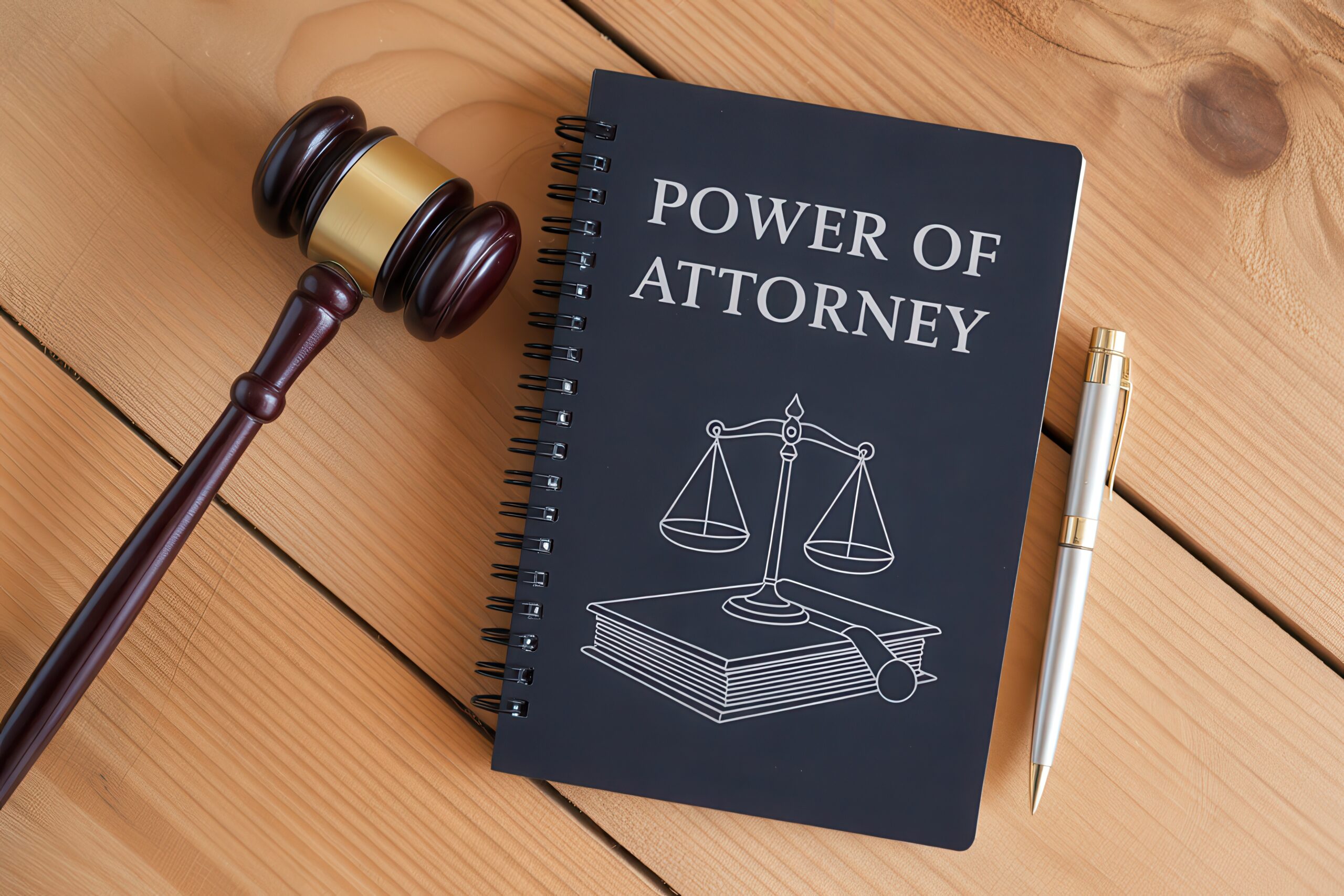

Trusts aren’t just for the wealthy. They’re a practical tool for protecting assets, reducing tax exposure and controlling how your wealth passes to the next generation.
We set up trusts that actually achieve what they’re designed to — not generic structures that look good on paper but don’t deliver in practice.
Common uses:
Dealing with someone’s estate after they’ve passed can feel overwhelming — especially when grief is still raw. We handle the legal and administrative process so you don’t have to navigate it alone.
We manage the full probate process from start to finish, making sure everything is handled correctly, efficiently, and without unnecessary delay.
What we handle:


Most estate planners don’t understand property ownership structures. We do. Whether you own a single home, a buy-to-let portfolio, or commercial premises, how your property is owned determines how it passes on death — and it’s often not what people expect.
We help with:
What happens to your business if you can’t run it? What happens when you want to retire? What happens if a partner dies?
These aren’t hypothetical questions. They’re the ones that cause real damage when they’re not answered in advance.
We build succession plans that protect your business, your partners and your family — covering ownership transfer, shareholder agreements, key person planning and exit strategies.

The estate is distributed according to the rules of intestacy. This means the law decides who inherits — and it may not match your wishes. Unmarried partners, stepchildren and close friends receive nothing under intestacy rules.
We often get probate granted in weeks not months/years because of our efficiency and knowledge.
Not always, but often yes — especially if property or assets above certain thresholds are involved. We can advise on your specific situation.
Joint tenants means the property automatically passes to the surviving owner on death. Tenants in common means each person owns a defined share, which can be left to whoever they choose in their will. The right structure depends on your circumstances.
Yes, under the Inheritance (Provision for Family and Dependants) Act 1975. Proper drafting and clear documentation reduce the risk significantly.
A trust within a will (a “will trust”) holds
We use cookies to improve your experience on our site. By using our site, you consent to cookies.
Manage your cookie preferences below:
Essential cookies enable basic functions and are necessary for the proper function of the website.
These cookies are needed for adding comments on this website.